

ಆಡಳಿತಾತ್ಮಕ ಕಾನೂನಿನ ವ್ಯಾಖ್ಯಾನ
(Definition of Administrative Law) ಪೀಠಿಕೆ (Introduction) ಆಡಳಿತಾತ್ಮಕ ಕಾನೂನು (Administrative Law) ಸಾರ್ವಜನಿಕ ಕಾನೂನಿನ (Public Law) ಒಂದು ಪ್ರಮುಖ ಶಾಖೆಯಾಗಿದೆ. ಇದು ಆಡಳಿತಾತ್ಮಕ ಪ್ರಾಧಿಕಾರಗಳ ಅಧಿಕಾರಗಳು, ಕಾರ್ಯಗಳು, ಕರ್ತವ್ಯಗಳು ಮತ್ತು ಜವಾಬ್ದಾರಿಗಳನ್ನು ನಿಯಂತ್ರಿಸುತ್ತದೆ.…
Definition of Administrative Law
Introduction Administrative Law is an important branch of Public Law. It deals with the powers, functions, duties and responsibilities of administrative authorities. It regulates the relationship between the Government and individuals and ensures that…

ಭಾರತದ ಸಂವಿಧಾನದ ಒಕ್ಕೂಟ ಸ್ವರೂಪವನ್ನು ವಿಮರ್ಶಾತ್ಮಕವಾಗಿ ಪರಿಶೀಲಿಸಿ.
ಪೀಠಿಕೆ (Introduction) ಒಕ್ಕೂಟ ವ್ಯವಸ್ಥೆ (Federalism) ಎಂದರೆ ಕೇಂದ್ರ ಸರ್ಕಾರ ಮತ್ತು ರಾಜ್ಯ ಸರ್ಕಾರಗಳ ನಡುವೆ ಸಂವಿಧಾನದ ಮೂಲಕ ಅಧಿಕಾರಗಳನ್ನು ಹಂಚಿಕೆ ಮಾಡಿರುವ ಆಡಳಿತ ವ್ಯವಸ್ಥೆಯಾಗಿದೆ. ಪ್ರತಿಯೊಂದು ಸರ್ಕಾರವೂ ತನ್ನ ವ್ಯಾಪ್ತಿಗೆ ಸಂವಿಧಾನವು ನೀಡಿರುವ ಅಧಿಕಾರಗಳನ್ನು ಚಲಾಯಿಸುತ್ತದೆ. ಭಾರತದ…

Explain the federal character of the Indian Constitution.
Introduction Federalism is a system of government in which powers are divided between the Central Government and the State Governments by the Constitution. Each level of government exercises its powers within its constitutionally assigned sphere. The…

ಪೀಠಿಕೆ (Preamble) ಎಂದರೇನು? ಪೀಠಿಕೆಯಲ್ಲಿ ಅಡಕವಾಗಿರುವ ಉದ್ದೇಶಗಳು ಮತ್ತು ಮೌಲ್ಯಗಳನ್ನು ವಿವರಿಸಿ.
ಪೀಠಿಕೆಯ ಪರಿಚಯ (Introduction) ಭಾರತದ ಸಂವಿಧಾನದ ಪೀಠಿಕೆಯು ಸಂವಿಧಾನದ ಆರಂಭಿಕ ಹೇಳಿಕೆಯಾಗಿದೆ. ಇದು ಸಂವಿಧಾನದ ಮೂಲ ತತ್ವಗಳು, ಆದರ್ಶಗಳು, ಉದ್ದೇಶಗಳು ಮತ್ತು ಆಶಯಗಳನ್ನು ಪ್ರತಿಬಿಂಬಿಸುತ್ತದೆ. ಭಾರತದ ಸಂವಿಧಾನದ ಅಧಿಕಾರದ ಮೂಲ ಯಾವುದು, ಭಾರತದ ರಾಜ್ಯದ ಸ್ವರೂಪವೇನು ಹಾಗೂ ಸಂವಿಧಾನವು ಯಾವ ಗುರಿಗಳನ್ನು…

What is the Preamble? What are the objectives and values enshrined in the Preamble?
Indian Constitution Introduction The Preamble is the introductory statement of the Constitution of India. It contains the basic philosophy, ideals, objectives and aspirations of the Constitution. It declares the source of constitutional authority and…
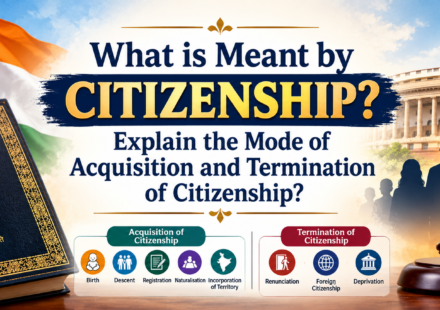
Citizenship: Modes of Acquisition and Termination of Citizenship.
Introduction Citizenship is the legal status of a person as a member of a particular State. It establishes the legal relationship between an individual and the State and gives rise to certain rights, privileges and duties. In India, the provisions…

ಭಾರತೀಯ ಸಂವಿಧಾನದ ಪ್ರಮುಖ ಲಕ್ಷಣಗಳನ್ನು ವಿವರಿಸಿ
ಪೀಠಿಕೆ (Introduction) ಭಾರತದ ಸಂವಿಧಾನವು ದೇಶದ ಸರ್ವೋಚ್ಚ ಕಾನೂನಾಗಿದೆ. ಇದು ಸರ್ಕಾರದ ರಚನೆ, ಶಾಸಕಾಂಗ, ಕಾರ್ಯಾಂಗ ಮತ್ತು ನ್ಯಾಯಾಂಗಗಳ ಅಧಿಕಾರಗಳು ಹಾಗೂ ಕರ್ತವ್ಯಗಳನ್ನು ನಿರ್ಧರಿಸುತ್ತದೆ. ಅಲ್ಲದೆ, ನಾಗರಿಕರ ಮೂಲಭೂತ ಹಕ್ಕುಗಳನ್ನು ರಕ್ಷಿಸುತ್ತದೆ. ಭಾರತದ ಸಂವಿಧಾನವನ್ನು ಸಂವಿಧಾನ ಸಭೆಯು 26 ನವೆಂಬರ್…

Salient Features of the Indian Constitution
Introduction The Constitution of India is the supreme law of the country. It lays down the framework of the government, defines the powers of the legislature, executive and judiciary, and guarantees fundamental rights to citizens. The Constitution was…

Equal Remuneration and Minimum wage
Objectives of The Equal Remuneration The objectives of Equal Remuneration under the Code on Wages, 2019 (which amalgamated the Equal Remuneration Act, 1976) are primarily rooted in constitutional mandates and international labor standards. The following…