

Equal Remuneration and Minimum wage
Objectives of The Equal Remuneration The objectives of Equal Remuneration under the Code on Wages, 2019 (which amalgamated the Equal Remuneration Act, 1976) are primarily rooted in constitutional mandates and international labor standards. The following…
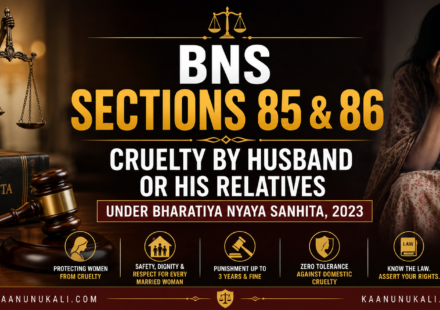
Cruelty by Husband or His Relatives Under Bharatiya Nyaya Sanhita, 2023
BNS Sections 85 and 86 Explained: Cruelty by Husband or His Relatives The Bharatiya Nyaya Sanhita, 2023 (BNS), which came into force on 1 July 2024, has replaced the Indian Penal Code, 1860 (IPC) as India’s principal criminal law. While the BNS…
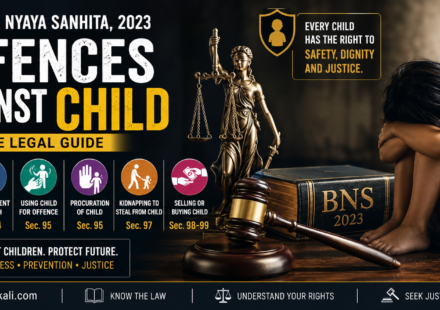
Offences Against Children Under Bharatiya Nyaya Sanhita (BNS), 2023
Complete Guide with Sections, Punishments, and FAQs Offences Against Children Under Bharatiya Nyaya Sanhita (BNS), 2023 Children are among the most vulnerable members of society. Their physical, emotional, and mental well-being requires the highest…

Salient Features of the Muslim Personal Law (Shariat) Application Act, 1937
Introduction The Muslim Personal Law (Shariat) Application Act, 1937 is one of the most important legislations governing the personal affairs of Muslims in India. Before the enactment of this Act, many matters relating to marriage, divorce, inheritance,…
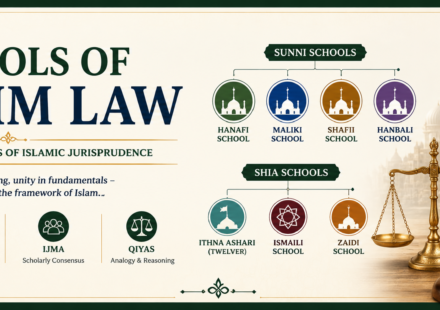
Schools of Muslim Law
Introduction Muslim Law, also known as Islamic Law or Shariat, is a system of law derived from the teachings of Islam. It regulates various aspects of a Muslim’s life, including religious duties, family relations, property rights, succession,…
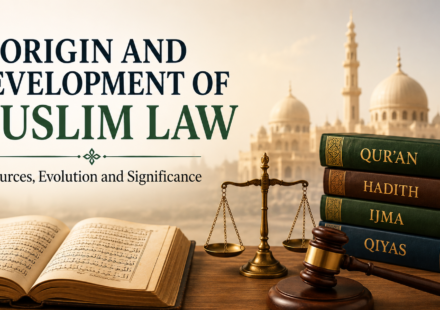
Origin and Development of Muslim Law
Introduction Muslim Law, also known as Islamic Law or Shariat, is a system of law based on the principles of Islam. It regulates the religious, social, moral, and legal aspects of the life of Muslims. Muslim Law originated in Arabia during the 7th…